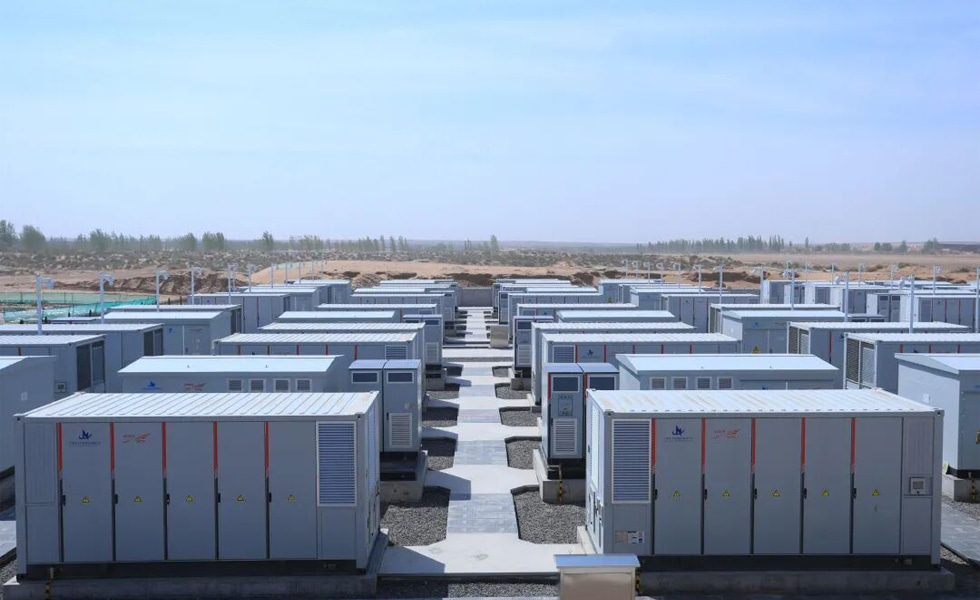
Con el nuevo sector energético calentándose, sistema de almacenamiento de energía independiente Se ha convertido en una atractiva oportunidad de inversión para muchos emprendedores e inversores gracias a sus múltiples beneficios, como la compensación de capacidad y el comercio de electricidad. Sin embargo, la realidad suele ser dura: muchas personas, con mucho capital y entusiasmo, adquieren terrenos a ciegas, registran empresas e invierten grandes cantidades, solo para quedarse estancadas en la fase de conexión a la red, lo que resulta en proyectos abandonados y pérdidas totales.
Básicamente, el 90% de los fallos en el almacenamiento independiente de energía se deben al primer paso: no a una falta de fondos, sino a una falta de comprensión de los principios básicos y a un punto de partida erróneo.
Si no tienes recursos, capital ni contactos y quieres construir un proyecto independiente de almacenamiento de energía, evita gastar dinero a ciegas. Simplemente sigue este proceso práctico paso a paso para evitar obstáculos fatales y llevar tu proyecto a buen término poco a poco.
Paso 1: Conexión segura a la red: un salvavidas para el proyecto
Cuando no se tiene nada, lo peor que se puede hacer es "gastar dinero primero, luego hacer las cosas". No hay que apresurarse a adquirir terrenos, no registrar empresas a ciegas ni buscar financiación a toda prisa. La tarea principal es determinar la viabilidad de la conexión a la red. Este es el primer obstáculo para la supervivencia del proyecto; sin superarlo, todas las inversiones posteriores serán inútiles.
La clave de la conexión a la red reside en los tres elementos fundamentales de una subestación: bahías, capacidad y corredor. Las bahías son fundamentales; son las ubicaciones reservadas para los interruptores dentro de la subestación. Tener bahías garantiza una conexión eléctrica exitosa; sin ellas, incluso invirtiendo una fortuna, la red se negará a conectar y el proyecto fracasará instantáneamente.
Al abordar un proyecto, no se ande con rodeos. Simplemente haga tres preguntas al administrador de la red para determinar rápidamente si el proyecto es viable: ¿Hay bahías de repuesto? ¿Es suficiente la capacidad de respaldo? ¿Hay un corredor de línea adecuado? Estas tres preguntas ofrecen una respuesta clara, ahorrando muchos viajes innecesarios. Este paso no requiere ningún costo ni inversión, pero puede filtrar directamente el 90% de los proyectos ineficaces, previniendo obstáculos iniciales y convirtiéndolo en la preparación más crucial cuando no se cuenta con nada.
Paso 2: Selección precisa del sitio: el cumplimiento es clave para el éxito
Tras finalizar la subestación que cumple con los requisitos y confirmar los requisitos de conexión a la red, el siguiente paso es la selección del emplazamiento. Este paso determina directamente el éxito del proyecto y requiere un estricto cumplimiento de la normativa y una evaluación precisa, evitando así incumplir las normas. En la práctica, un enfoque de cuatro pasos puede reducir costos y mitigar riesgos.
Primero, defina el área de selección del sitio. Tomando la subestación seleccionada como centro, defina un radio de 3 a 5 kilómetros, con una distancia óptima controlada dentro de los 2,5 kilómetros. Cuanto más cerca esté el proyecto de la subestación, menor será la inversión necesaria en líneas de transmisión y más ágil será el proceso de aprobación de la conexión a la red, lo que reduce significativamente los costos iniciales, ideal para fases de arranque con fondos limitados.
En segundo lugar, se debe cumplir estrictamente con las restricciones de uso del suelo mediante la implementación de un sistema de veto. Las tierras agrícolas básicas permanentes, las restricciones de protección ecológica, las zonas de protección de fuentes de agua, los terrenos forestales, las zonas cercanas a la construcción, las zonas militares, las zonas de protección de reliquias culturales y las zonas de alto riesgo de desastre geológico están totalmente prohibidas. La violación de estas restricciones resultará en el fracaso inmediato del proyecto. Se debe priorizar el suelo industrial y el terreno de construcción existente, ya que estos tipos de terrenos son estables y tienen procesos de aprobación sencillos. También se debe considerar seriamente el terreno de construcción comercial de propiedad colectiva y el terreno que respalda a los parques industriales, ya que son adecuados para las necesidades de construcción de proyectos de almacenamiento de energía.
Además, realice inspecciones in situ para identificar puntos clave.
Primero, considere el área: a Proyecto de almacenamiento de energía de 200 MW/400 MWh Generalmente requiere de 30 a 40 acres de tierra, lo que garantiza suficiente espacio.
En segundo lugar, hay que tener en cuenta el terreno: una pendiente inferior al 5% y un terreno llano reducen los costes de excavación y demolición de tierras, evitando litigios posteriores.
En tercer lugar, hay que tener en cuenta la prevención de inundaciones: la elevación del sitio debe ser superior al nivel de inundación histórico más alto para eliminar el riesgo de anegamiento e inundaciones.
En cuarto lugar, hay que tener en cuenta la geología: evitar suelos blandos, arenas movedizas, cuevas kársticas y otras condiciones geológicas complejas para ahorrar enormes costes de tratamiento de cimientos.
En quinto lugar, hay que considerar el transporte: la proximidad a las carreteras municipales satisface las necesidades de transporte de equipos grandes, y el acceso rápido al agua, la electricidad y las comunicaciones reduce los costos de apoyo.
Finalmente, la selección eficiente del terreno reduce las dificultades. Contacte directamente con la oficina local de recursos naturales para asegurar las cuotas de terrenos para construcción existentes; utilice el mapa nacional unificado de planificación territorial para seleccionar con precisión las parcelas que cumplan con los requisitos; revitalice terrenos inactivos y naves industriales abandonadas, negociando la cooperación con municipios y comités locales; colabore con parques industriales y compañías energéticas locales para adquirir terrenos, aprovechando sus ventajas en recursos para reducir significativamente la dificultad de adquisición. Recuerde estos tres principios clave: evite las líneas rojas, evite las ubicaciones remotas y no ignore la geología y el control de inundaciones. Elegir el terreno adecuado es tener la mitad de la batalla ganada.
Paso 3: Implementación paralela del conjunto de cuatro piezas: el ritmo es clave para la eficiencia
Tras asegurar la subestación y el terreno que cumple con los requisitos, evite proceder paso a paso o secuencialmente. Se deben iniciar cuatro tareas principales simultáneamente, con aprobaciones paralelas e implementación escalonada. Al fin y al cabo, en el almacenamiento de energía, el ritmo impacta directamente en la eficiencia. La implementación paralela puede ahorrar de 2 a 3 meses, lo que indirectamente aumenta la rentabilidad del proyecto.
Primero, solicite rápidamente la aprobación de la conexión a la red. Con la selección preliminar del sitio y los documentos de adquisición de terrenos, presente de inmediato su intención de conectarse a la red. sistema de red A la oficina municipal de energía. Asegure las bahías de red y las líneas de transmisión disponibles. La aprobación de la conexión es crucial para el proyecto; sin ella, todo el trabajo posterior se desperdicia. Cuanto antes presente su solicitud, más segura será su posición.
En segundo lugar, coordinarse con el gobierno para firmar un acuerdo marco de inversión. Colaborar con la Comisión de Desarrollo y Reforma, el Departamento de Industria y Tecnología de la Información y el comité de gestión del parque para aclarar la escala de la inversión, el período de construcción y las condiciones de implementación. Esforzarse por obtener los documentos de apoyo del gobierno para sentar las bases para el posterior registro del proyecto, la adquisición de terrenos y los beneficios de las políticas.
En tercer lugar, obtener la aprobación para la selección del sitio y la preaprobación del uso del suelo. Primero, completar los trámites necesarios en la Oficina de Recursos Naturales, evitando la línea roja del uso del suelo y obteniendo una carta de opinión sobre la selección del sitio. Esto es un requisito previo para el uso legal del suelo y debe realizarse simultáneamente con la conexión a la red y los acuerdos marco de inversión para evitar retrasos en el cronograma de construcción.
En cuarto lugar, inicie procesos de preaprobación multidepartamentales. Coordínese simultáneamente con departamentos como gestión de emergencias, ecología y medio ambiente, recursos hídricos y transporte para completar las revisiones y evaluaciones previas pertinentes. Procese tareas que puedan realizarse simultáneamente sin demora, eliminando así los obstáculos de cumplimiento con antelación para evitar la repetición de tareas posteriormente.
Paso 4: Sprint final para asegurar el estatus legal del proyecto
Tras completar las aprobaciones paralelas preliminares, el proyecto entra en la fase final del sprint. La tarea principal es obtener la planificación provincial y las aprobaciones formales de conexión a la red para otorgarle al proyecto su "pertenencia legal". Simultáneamente, se deben conseguir socios, completar los procedimientos de cumplimiento y avanzar hacia el inicio del proyecto.
El aspecto más crucial es la gestión simultánea de la planificación de la oficina provincial de energía y las aprobaciones de conexión a la red provincial. El registro del proyecto a nivel de condado es solo la base. Sin su inclusión en la lista provincial anual de construcción de sistemas de almacenamiento de energía, el proyecto carece de personalidad jurídica, no puede obtener la aprobación formal de conexión a la red, no puede recibir compensación por capacidad y enfrentará numerosas restricciones de conexión posteriormente. Siguiendo de cerca el plazo de solicitud de la oficina provincial de energía, llevamos documentos como certificados de registro, intenciones de conexión a la red, documentos de preaprobación del uso del suelo y acuerdos marco de inversión para agilizar nuestra inclusión en la lista de planificación provincial. Tras obtener los documentos de planificación, encargamos de inmediato a un instituto de diseño energético la elaboración de un informe formal de conexión a la red, que se presentó a las compañías eléctricas provinciales y municipales para su revisión. Esto garantizó el nivel de tensión, la bahía de red y el punto de conexión a la red, obteniendo finalmente la aprobación final de la conexión a la red.
Simultáneamente, identificamos la entidad de inversión y desarrollo y al contratista general del EPC. Aprovechando nuestras competencias clave (registro, planificación, intenciones de conexión a la red y terrenos), conectamos con inversores como compañías energéticas centrales y estatales, firmando acuerdos de desarrollo cooperativo o de transferencia de capital. Simultáneamente, licitamos para las unidades de EPC, diseño y supervisión, elaboramos estudios de viabilidad, diseños preliminares y estimaciones presupuestarias, acelerando así el avance del proyecto. Finalmente, completamos todos los trámites de uso del suelo: obtuvimos el permiso de planificación urbanística, los trámites de registro y arrendamiento de terrenos, adquirimos el certificado de propiedad y completamos todas las aprobaciones necesarias para las evaluaciones de impacto ambiental, evaluaciones energéticas, conservación del agua y respuesta ante incendios. Garantizamos la conexión en paralelo, evitando conexiones fuera de línea.
Cuando no se tiene nada, construir un sistema de almacenamiento de energía independiente no se basa en invertir grandes cantidades de dinero. Se basa en comprender las normas, tomar el camino correcto y controlar el ritmo. Primero, bloquear el acceso a la red, luego seleccionar el sitio adecuado y, por último, obtener las aprobaciones en paralelo y apresurarse a cumplir con las regulaciones. Solo con pasos firmes se puede lanzar con éxito un proyecto de almacenamiento de energía independiente.