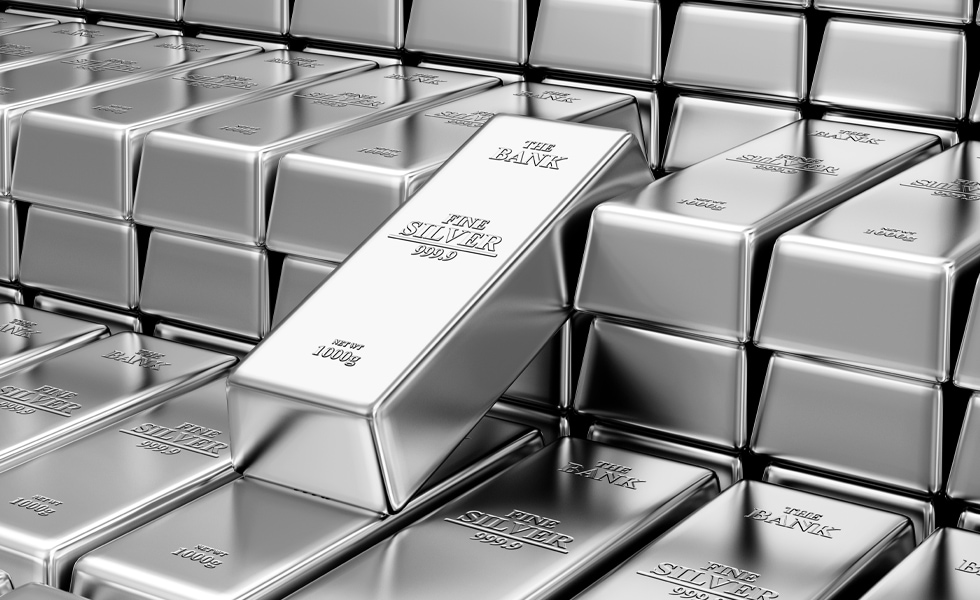
El 25 de mayo, los precios internacionales del petróleo se desplomaron, mientras que los metales preciosos experimentaron un fuerte repunte. El oro al contado superó los 4570 dólares por onza, con un alza superior al 1% durante la jornada. La plata al contado alcanzó los 78 dólares por onza, con un alza superior al 4%.
Desde 2026, el mercado de la plata ha experimentado una auténtica montaña rusa: tras alcanzar máximos históricos a principios de año, ha sufrido una fuerte corrección y actualmente mantiene un amplio rango de fluctuaciones de alto nivel.
Como el sector de mayor demanda industrial de plata, la energía fotovoltaica está experimentando un aumento en el consumo de plata por unidad debido a las crecientes tasas de penetración de células de alta eficiencia (TOPCon/HJT/BC). El vertiginoso aumento del precio de la plata se ha convertido en una presión fundamental sobre el costo de paneles solares .
Los precios de la plata están bajo presión debido a las fuertes fluctuaciones.
A principios de año, la plata continuó su tendencia alcista desde 2025, experimentando un fuerte aumento debido a la triple confluencia de factores positivos: las expectativas de una bajada de tipos de interés por parte de la Reserva Federal, los conflictos geopolíticos en Oriente Medio y la demanda esencial de energía fotovoltaica.
A finales de enero, la plata de Londres superó los 100 dólares por onza, alcanzando un máximo histórico nominal de 121 dólares por onza el 28 de febrero. En el mercado interno, el principal contrato de futuros de plata de Shanghái experimentó un fuerte repunte, superando los 22.000 yuanes/kg a mediados de abril, lo que representa un aumento trimestral de más del 60%.
A finales de mayo, los precios de la plata entraron en un rango de negociación de 70-85 dólares por onza (plata de Londres) y 17.000-20.000 yuanes por kilogramo (plata de Shanghái). Las instituciones pronostican un "descenso leve con amplias fluctuaciones" en la segunda mitad del año: por un lado, la temporada alta para las instalaciones fotovoltaicas mundiales en el tercer y cuarto trimestre impulsará la demanda industrial, y persistirá un déficit entre la oferta y la demanda de plata (aproximadamente 60 millones de onzas en 2026); por otro lado, la implementación acelerada de tecnologías de "desplatado", los altos precios que suprimen la demanda de joyería, junto con la incertidumbre en torno a las políticas de la Reserva Federal, han debilitado los repuntes de los precios de la plata, y los precios podrían volver a caer a alrededor de 70 dólares por onza para finales de año.
La penetración de los semiconductores de tipo N impulsa el consumo unitario de plata; la energía fotovoltaica se convierte en la principal demanda industrial de plata.
La energía fotovoltaica se ha convertido en el sector industrial con mayor demanda de plata. En 2025, el consumo de plata fotovoltaica representó el 35 % del consumo industrial mundial de plata. Si bien la tendencia a la eliminación de plata se aceleró en 2026, la expansión de la capacidad instalada impulsó aún más la demanda, manteniéndola elevada.
Comparando el consumo de plata de las tecnologías de baterías convencionales, la tasa de penetración de Baterías de alta eficiencia tipo N , representada por TOPCon/HJT, está aumentando rápidamente, llegando al 70% para finales de 2026, lo que impulsa directamente el aumento del consumo de plata por unidad: Anteriormente, PERC tenía un consumo de plata de 8,5-9,5 mg/W por vatio, con una sola celda consumiendo aproximadamente 70 mg de plata; la tecnología estaba madura y tenía el menor consumo de plata.
En concreto, TOPCon (tipo N, actualmente la batería de alta eficiencia más utilizada): mediante un proceso de pasta de plata de doble cara, tiene un consumo de plata de 10-13 mg/W por vatio, con una sola celda que consume aproximadamente 80 mg de plata, entre un 30 % y un 40 % más que PERC.
HJT (tipo N, heterounión): Pasta de plata de baja temperatura, consumo de plata por vatio de 12 a 15 mg/W, aproximadamente 150 mg/W por celda, el doble que el de PERC; el uso de la tecnología OBB puede reducirlo a 8-10 mg/W.
XBC (tipo N, contacto posterior): Consumo de plata por vatio de 15 a 18 mg/W, actualmente la ruta con el mayor consumo de plata.
Desde el lado de la demanda, los nuevos productos globales instalaciones fotovoltaicas En 2025, la capacidad instalada alcanzó los 753 GW, consumiendo aproximadamente 7560 toneladas de plata, lo que representa un aumento interanual del 23 % y el 19 % de la demanda mundial de plata. En 2026 se prevé un equilibrio entre la expansión de la capacidad instalada y la disminución del consumo de plata por vatio.
En términos de capacidad instalada, se prevé que las nuevas instalaciones a nivel mundial en 2026 superen los 600 GW, siendo China, Europa y el sudeste asiático las principales áreas de crecimiento.
Consumo de plata por GW: Con el fomento de las tecnologías de "desplatado" (cobre plateado, cobre electrochapado), el consumo de plata por GW disminuirá de 10 toneladas en 2025 a 6-8 toneladas.
En términos de demanda total, se prevé que el consumo mundial de plata para energía fotovoltaica alcance aproximadamente las 6.500 toneladas en 2026, lo que supone un descenso interanual del 10%, registrando así el primer crecimiento negativo en los últimos años. No obstante, sigue siendo el sector industrial con mayor demanda de plata.
El aumento de los precios de la plata la ha convertido en la principal variable de coste para los módulos fotovoltaicos: de agosto a octubre de 2025, la participación de la plata en los costes de los módulos aumentó del 12% al 17%; después de que los precios de la plata alcanzaran un máximo histórico en diciembre, esta proporción se acercó al 18%. células de tipo N La pasta de plata representa más del 50% de los costos no relacionados con el silicio, y para Celdas TOPCon La pasta de plata representa el 62%, lo que reduce directamente los márgenes de beneficio de las empresas.
Ante la presión de los altos precios de la plata, la industria fotovoltaica nacional ha establecido un sistema integral de reducción de costos y avances tecnológicos. A corto plazo, empresas líderes como LONGi y Tongwei utilizan herramientas financieras como la cobertura de futuros, la adquisición a largo plazo a precio fijo y la gestión dinámica de inventarios para protegerse contra las fluctuaciones del precio de la plata y estabilizar los costos de producción. A mediano plazo, la industria adoptará plenamente la tecnología de cobre revestido de plata, combinada con optimizaciones de procesos como diseños con múltiples barras colectoras y sin barras colectoras, lo que reducirá significativamente el consumo de plata por vatio de celdas y logrará una reducción de costos a gran escala.