Hoy es 26 de marzo de 2026, a menos de una semana del final del primer trimestre de este año. Pero para la industria fotovoltaica, este comienzo de año es más que un simple buen comienzo; es como pisar el acelerador a fondo.
En los últimos dos días, un conjunto de datos se ha difundido rápidamente dentro de la industria, causando incluso un gran revuelo.
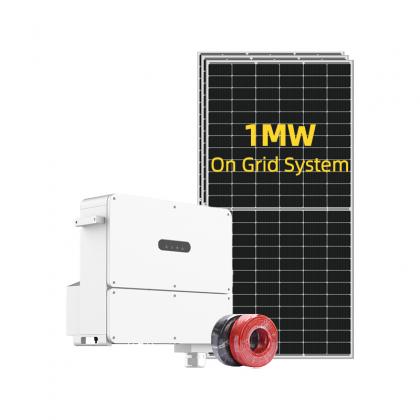
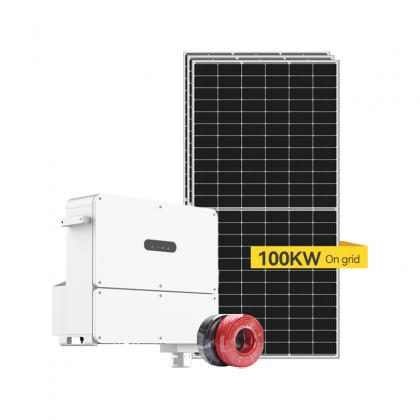
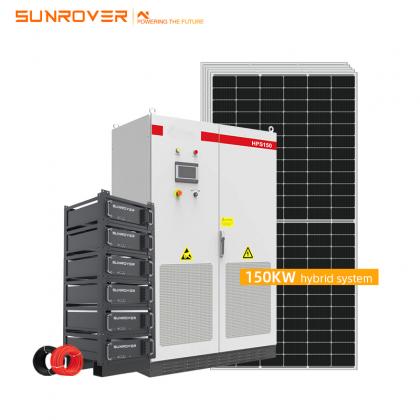
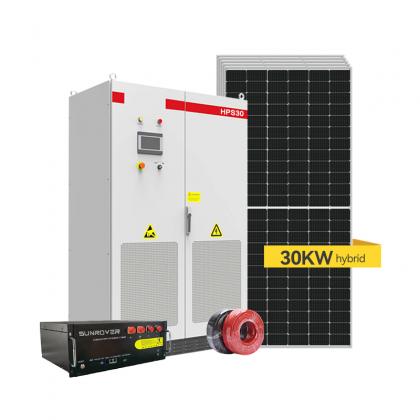
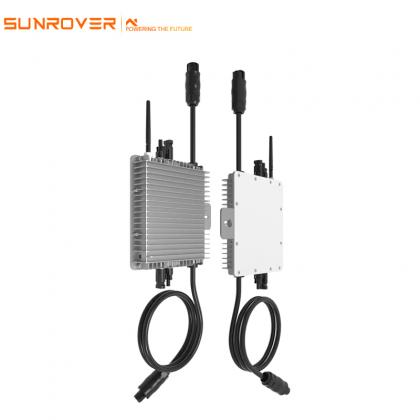
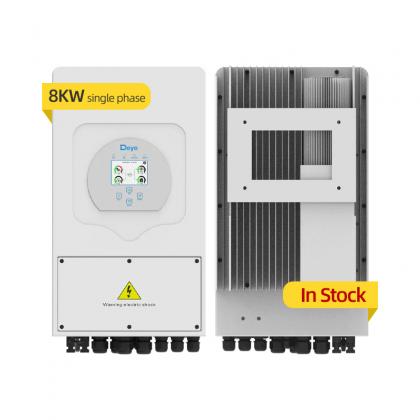
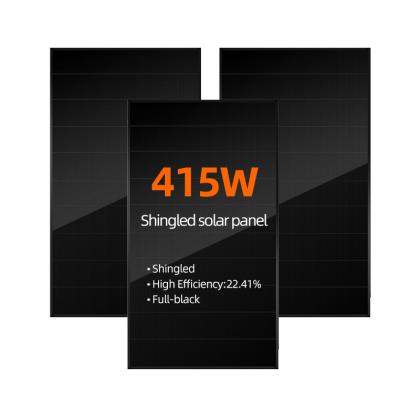
Los datos de algunas organizaciones muestran que en el primer trimestre de este año, las exportaciones de China de paneles solares Las exportaciones a Oriente Medio aumentaron un 470% interanual, mientras que sistemas de almacenamiento de energía Se observó un aumento aún más drástico del 620%. Lo más interesante es que más del 90% de estos pedidos son contratos a largo plazo de tres años o más.
¿Qué significa esto? No se trata simplemente de vender más productos; se trata de un cambio en la estructura de pedidos, pasando de la negociación a corto plazo a los compromisos a largo plazo.
Y lo que es más importante, todo esto está ocurriendo en un momento delicado.
Por un lado, las barreras comerciales en los mercados europeos y estadounidenses se endurecen constantemente, con umbrales normativos cada vez más elevados; por otro lado, el mercado de Oriente Medio experimenta un repentino aumento de la demanda. Oriente Medio, otrora conocido por su petróleo, se está reincorporando al panorama energético mundial de una forma diferente.
Esto plantea la pregunta: ¿es este aumento de la demanda en Oriente Medio simplemente una oportunidad temporal derivada de la agitación geopolítica, o es un cambio genuino en el enfoque de Exportaciones de energía fotovoltaica (FV) de China ¿
01. ¿Por qué Oriente Medio? Este aumento repentino de la demanda no fue súbito.
Aunque los datos aduaneros de marzo no se han publicado oficialmente, las tendencias de los dos meses anteriores ya ofrecen algunas pistas. Los datos aduaneros chinos muestran que, entre enero y febrero de 2026, el valor de las exportaciones nacionales de módulos fotovoltaicos fue de 22.480 millones de yuanes, lo que supone un descenso interanual del 9,26%; el volumen total de exportaciones fue de 72,0777 millones de unidades, una disminución interanual del 3,42%. En general, las exportaciones fotovoltaicas no han experimentado un crecimiento significativo, e incluso han sufrido un ligero descenso.
Pero el verdadero cambio reside en la estructura. La cuota de mercado de Oriente Medio y el Norte de África ha aumentado discretamente hasta el 25,6%, convirtiéndose en la segunda región exportadora más importante después de Europa. En otras palabras, no es que se venda más, sino que el destino ha cambiado significativamente.
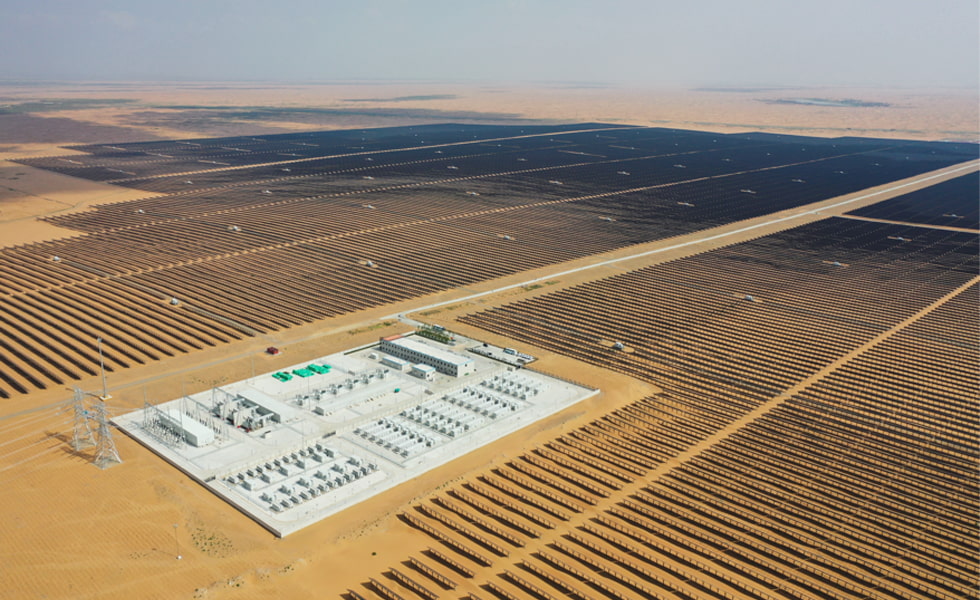
Si añadimos la dinámica del sector de marzo, esta tendencia se vuelve aún más evidente. China Power Construction Corporation (China Power) se adjudicó un importante contrato en Abu Dabi, Emiratos Árabes Unidos, para la instalación de 2,1 GW de energía solar fotovoltaica y 7,75 GWh de almacenamiento de energía, por un valor aproximado de 13.962 millones de RMB.
Esto significa que el crecimiento de Oriente Medio energía solar fotovoltaica El mercado no es una fluctuación aleatoria, sino una manifestación concentrada de una tendencia.
Entonces surge la pregunta: ¿por qué ahora? ¿Y por qué Oriente Medio? Si lo analizamos, este aumento repentino de la demanda está impulsado por al menos tres fuerzas simultáneamente.
En primer lugar, está la política. Los países de Oriente Medio están acelerando su transición energética. La "Visión 2030" de Arabia Saudí tiene como objetivo alcanzar entre 100 y 130 GW de capacidad de energía renovable para 2030, con un 50 % de energía limpia; la "Estrategia Cero Emisiones Netas 2050" de los Emiratos Árabes Unidos también establece claramente que aumentará la proporción de energía limpia al 50 %, con un 44 % de energía renovable.
Cuando estos objetivos pasan de la documentación a la implementación, se traducen en una serie de proyectos concretos, licitaciones y pedidos. Como afirmó Zhang Chuanwei, presidente de Mingyang Group, en el Foro de Boao el pasado noviembre, Oriente Medio está impulsando proyectos eólicos y solares fotovoltaicos a escala de gigavatios, con una demanda de mercado extremadamente fuerte. El segundo factor es la demanda en sí misma. El crecimiento del consumo de electricidad en Oriente Medio es mucho más rápido de lo que muchos imaginan. Datos de la Agencia Internacional de Energía muestran que, entre 2000 y 2024, la demanda de electricidad en Oriente Medio y el Norte de África se ha triplicado con creces, con una tasa de crecimiento anual promedio del 3,7 %, significativamente superior al promedio mundial.
Por un lado, el consumo eléctrico para la climatización debido al calor extremo representa una demanda constante. En países como Arabia Saudita, las temperaturas veraniegas suelen superar los 50 °C, y la demanda de aire acondicionado puede representar el 70 % del consumo eléctrico máximo. Por otro lado, están surgiendo nuevos grandes consumidores de electricidad, como los centros de datos de IA y los sistemas desalinizadores de agua de mar. Se trata de infraestructuras de alto consumo energético que requieren un suministro eléctrico estable.
A medida que la demanda sigue aumentando, el sistema eléctrico debe encontrar nuevos puntos de apoyo, y la energía solar es una de las opciones más rentables.
La tercera capa representa un nivel más profundo de seguridad energética.
A principios de este año, las tensiones en el estrecho de Ormuz se intensificaron nuevamente, lo que aumentó la incertidumbre sobre el suministro de petróleo y gas. Esto sirve como un recordatorio muy directo para los países del Golfo que durante mucho tiempo han dependido de la generación de energía a partir de combustibles fósiles: la energía puede ser abundante, pero no necesariamente segura. En este contexto, acelerar el desarrollo de la producción nacional de energía es fundamental. energía renovable No se trata solo de transformación, sino también de garantizar el control.
Impulsado por el apoyo político, la demanda y las preocupaciones de seguridad, el crecimiento explosivo del mercado fotovoltaico de Oriente Medio resulta fácil de comprender. Si bien puede parecer repentino, las bases se sentaron hace mucho tiempo.
02. Los pedidos están aumentando considerablemente, pero el mercado de Oriente Medio no es tan fácil.
Desde la perspectiva de las empresas chinas, este auge en el mercado de Oriente Medio ha traído consigo un crecimiento de alta calidad largamente esperado.
A diferencia del enfoque anterior, centrado simplemente en competir por precio y volumen, esta vez se trata más bien de una mejora en los roles. Desde CATL y BYD hasta Sungrow Power y Power Construction Corporation of China, estas empresas líderes ya no se limitan a vender equipos, sino que participan activamente en la construcción de sistemas energéticos locales.
Por ejemplo, Sungrow Power proporcionó un sistema completo para un proyecto de almacenamiento de energía de 7,8 GWh en Arabia Saudita. Este tipo de cooperación implica un mayor nivel de compromiso; los pedidos ya no son puntuales, sino que se convierten en colaboraciones a largo plazo que se extienden durante décadas o incluso más.
Pero precisamente ahí radica el problema. Cuanto mayor sea el compromiso, mayores serán las exigencias y más reales los riesgos.
En primer lugar, está el entorno en sí. El mercado de Oriente Medio puede parecer próspero y prometedor, pero cualquiera que haya trabajado en proyectos sabe que es un entorno exigente para los equipos. Las temperaturas diurnas que superan los 50 °C y las frecuentes tormentas de arena someten a los componentes, inversores y sistemas de almacenamiento de energía a un desgaste prolongado. Una vez que el sistema experimenta una menor eficiencia en la generación de energía o un aumento en la tasa de fallos, los costes de mantenimiento se disparan. Para entonces, los pedidos firmados hoy podrían convertirse en futuros pozos negros de costes.
En segundo lugar, las reglas están cambiando. Los países de Oriente Medio están elevando gradualmente los estándares de localización. Por ejemplo, los proyectos gubernamentales de Arabia Saudita generalmente requieren un índice de contenido local (ICL) del 35 % al 50 %. Esto significa que el simple modelo de exportación ya no es viable. Para conseguir pedidos, es necesario construir fábricas, aportar tecnología, formar equipos locales e incluso participar en la construcción de sistemas industriales locales. Dicho de forma más directa, Oriente Medio busca algo más que productos; busca capacidades.
Por último, está la variable que muchos subestiman: la incertidumbre.
Desde 2026, las repetidas fluctuaciones en el estrecho de Ormuz han comenzado a afectar la ejecución de los proyectos. El aumento de los costos logísticos y los ciclos de transporte más largos han obligado a algunos proyectos en construcción a ralentizarse, llegando incluso a ocasionar retrasos en la entrega de equipos y paralizaciones de las obras.
En proyectos de gran envergadura, que a menudo alcanzan niveles de GW, los retrasos no son problemas menores; perder la oportunidad de conexión a la red suele conllevar pérdidas exponencialmente mayores.
En realidad, muchos proyectos requieren entre 15 y 20 años de operación y mantenimiento a largo plazo, lo que significa que los ingenieros no solo deben ir al extranjero, sino también permanecer allí durante un período prolongado. En el complejo entorno geopolítico, esto ya no es solo una cuestión de costes.
Por lo tanto, a primera vista, Oriente Medio se presenta como un mercado nuevo y en auge; pero, en un nivel más profundo, se asemeja más a una competencia mejorada. Las oportunidades son enormes, sin duda, pero las barreras de entrada son más altas que en cualquier mercado anterior.
Conclusión
En retrospectiva, desde el primer trimestre de 2026, este repunte en la demanda de energía fotovoltaica en Oriente Medio actúa como una lupa. No solo magnifica el aumento de los pedidos, sino también el cambio en la lógica del sector.
En el pasado, las exportaciones chinas de energía fotovoltaica se centraban en vender donde hubiera demanda; ahora, se trata de establecer una presencia donde exista un sistema. El elevado crecimiento en el mercado de Oriente Medio no es simplemente una transferencia de demanda, sino el resultado de una combinación de políticas, estructura energética e inquietudes en materia de seguridad.
Pero precisamente por eso, este mercado no será un lugar fácil para ganar dinero. En cierto modo, Oriente Medio no es un refugio seguro, sino más bien un proceso de selección.
Las empresas que permanezcan ya no serán simplemente las que ofrezcan los precios más bajos, sino compañías con sólidas capacidades en tecnología, distribución, operaciones y globalización.
Por lo tanto, en lugar de ver esta ola de entusiasmo como una oportunidad, es más preciso considerarla como una señal: la expansión en el extranjero de la industria fotovoltaica china está pasando de una competencia basada en la escala a una competencia basada en las capacidades.